.png)
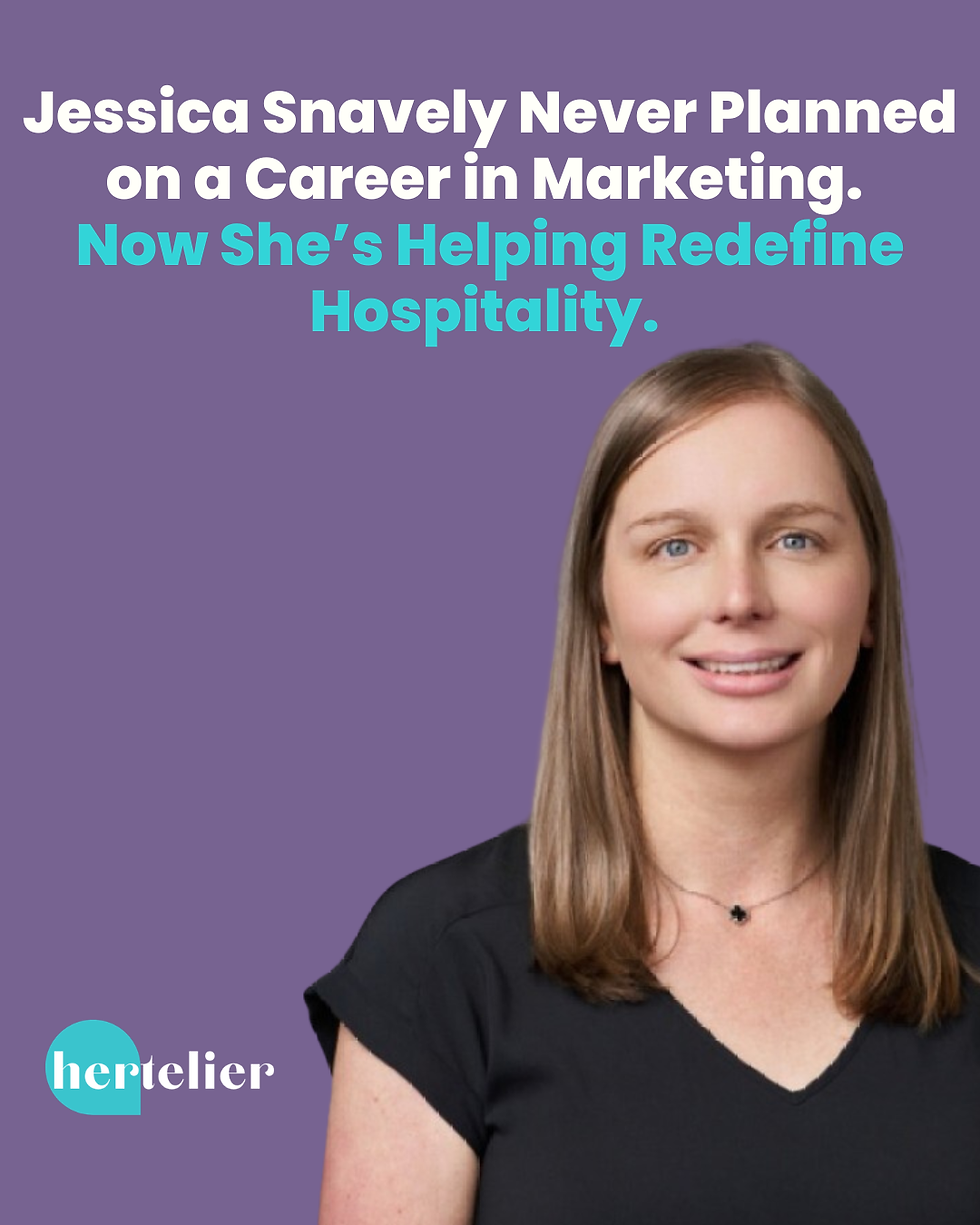
Jessica Snavely Never Planned on Marketing. Now She’s Helping Redefine Hospitality.

Mews Global Head of Marketing on career pivots, the promotion she did not get, and why hard work is only part of the formula.
Jessica Snavely was never destined to be a marketer, but now leads global marketing strategy to drive growth for one of hospitality’s most innovative technology companies, Mews. She studied statistics and actuarial science at Purdue, passed her financial mathematics exam, and planned for a career in insurance. Instead, she became an entrepreneur. While still in college, she and her now-husband started selling textbooks on Amazon, back when Amazon was still a novelty. While he was buried in MBA coursework, Jessica ran the business for seven years, expanded it into self-help and other titles, built her first website using HTML for Dummies, and turned the whole thing into a six-figure operation that helped put them both through school.
When they moved to Charlotte for his first job, she pivoted herself into paid search, the first of many reinventions in her career. Over the next fifteen years, Jessica built marketing teams and strategies across home security, open-source publishing, web hosting and SaaS, industries that may seem wildly different, but all sit at the intersection of technology, data and customer connection. Her throughline has been helping small and medium-sized businesses get online, find their audiences and grow, often by making complicated technology feel useful, human, and commercially powerful.
Now, as Global Head of Marketing at Mews, Jessica is focused on a question that cuts to the heart of hospitality: how do you use technology to make an industry built on human connection more human, not less?
We sat down with Jessica in Amsterdam during Mews Unfold, the company's annual hospitality tech conference, to talk career pivots, the promotion she did not get, what she is teaching her daughters, and why doing great work is only ever part of the formula.
Let's start at the beginning. What first drew you to marketing and technology, and was a career in SaaS or hospitality tech ever part of the original plan?
Not at all. I grew up in Chicago and went to Purdue, where I studied statistics and actuarial science. My original plan was to go into actuarial work and I passed the exams, but life had other plans. We were relocating to Charlotte because my husband had a job at Bank of America, so instead of becoming an actuary I began looking for marketing analyst roles, which were more prevalent in that area.
The data side of marketing is what drew me in. I had this idea that marketing was just running commercials and hoping someone bought your product, but I quickly learned there is so much data behind the creative. Marketing was a way to take what I already knew about analysis, learn new skills, and grow in a career that was tied directly to business impact and strategy. I got hooked right away.
Red Ventures, Vivint, Automattic, Newfold Digital and now Mews. That is a varied portfolio. What is the throughline for you across those chapters?
My career has been eclectic, but the throughline has been using technology to help businesses connect with people more effectively.
At Vivint, which is one of the largest home security companies in the U.S., we were shifting the conversation from assessing a need in the home — doorbell cameras — to selling a full technology solution.
Then a lot of the back half of my career moved into SaaS and subscription-based technology. At Automattic, the parent company of WordPress.com, WooCommerce and Tumblr, I was one of the first hires for the acquisition marketing team. I built that team from scratch, remotely, with people from Australia to Alaska. We had websites in sixteen languages, and the mission was helping small businesses build their online presence and move their businesses forward.
Since then, I have worked across website building, hosting, email platforms and other tools that help small and medium-sized businesses connect with their audiences. I actually built my first website back in 1996 using HTML for Dummies, so I have always had this interest in the web. What I love is bringing together the technology, the business impact and the data.
Which chapter stretched you the most?
Building and leading remote teams really stretched me.
At Automattic, the teams were international, global, and remote. I could not rely on the office environment or assume culture would just happen. I had to be very deliberate about how people connected, how they solved problems together, and how they built relationships.
When you are not in an office, you can’t just say, let's have lunch. You have to think: how do people feel connected in a non-connected way?
Sometimes that meant small things, like sending holiday cards or anniversary cards in the mail. Everyone gets Slack messages or emails, but getting something physical makes a difference. At in-person meetups, I made sure we did real team bonding, not just presentations. Team shirts, games, remote happy hours, activities that created inside jokes and real relationships.
Those moments make a difference. When you go through something difficult as a team, you need those relationships to lean on. You don’t want people to feel like boxes on a screen. You want them to feel like people who can say, let's solve this together.
Leadership is a balance of accountability and care. I care deeply about my colleagues, and I want them to take care of themselves. But if you care about the whole team, you also have to hold people accountable. Everyone needs to win together. That balance is how I try to lead.
You have spent most of your career in SaaS and tech. What drew you to hospitality and to Mews specifically?
A few things came together at once.
What stood out to me about Mews was that the technology had a clear purpose. It wasn’tt AI for the sake of AI. The goal was to remove repetitive work so hotel teams could spend more time doing what drew them to hospitality in the first place: creating great guest experiences.
If you are not spending hours running reports, you can spend that time with your team, your guests, and your business. For hotels, that means more time thinking about the guest experience, reducing friction, and finding small ways to make a stay memorable. That is what general managers and hotel teams are passionate about. Technology should help them do more of that, not bury them in admin.
When a hotel creates a better experience, people remember it. They leave better reviews. They become loyal. They have another drink on the patio instead of going somewhere else. Those things are hard to measure perfectly, but that is the kind of impact I want to be part of.
Tech leadership is still heavily male-dominated. What has your experience been like building a leadership career in that environment?
People often expect the problem to be one big obvious event. In reality, t’s usually the small things that add up.
I’s being interrupted. It’s having someone take credit for an idea. It’s seeing opportunities go to someone else. It’s seeing women apologizing for things they should not have to apologize for.
I have managed dozens and dozens of marketers, and I have seen women apologize for taking a doctor's appointment. They will say, sorry, I have to go to the doctor. I started cutting them off and saying, don’t apologize for taking care of yourself. We have to stop apologizing for things that are not apologies.
Was there a moment when you stopped waiting for permission and started owning your ambition?
Yes. I was passed over for a promotion that everyone expected me to get. I had been operating under the assumption that if I did a good job, I would move up. Then I watched someone who was not qualified assert himself into the conversation and get the role. It was eye-opening.
That moment changed how I approached my career. You have to own your own destiny. If you are not going to get the opportunity where you are, and you are skilled and qualified, go find it somewhere else. And that is what I did.
So many women feel they have to be perfectly ready before stepping up. What would you tell someone stuck in that loop?
Doing great work is not enough. That is something I had to learn. You have to be able to communicate your impact.
A career coach I had during my time at Automattic helped me think about communication differently. Before you go into a conversation, think about three things: what do you want people to know, what do you want them to feel and what do you want them to do?
That helps you control the narrative around your work. You are not just listing all the tasks you completed. You are helping people understand the impact, why it matters, and why you are the right person.
You also have to be intentional about doing promotable work, not just all the work assigned to you. As a leader of a new team, I noticed notetaking always being assigned to the same woman. I said no, everyone is going to take turns. I took the first turn and then we rotated. It was a small change, but small systems can either reinforce inequity or disrupt it.
When you are making your case for a raise or promotion, use numbers. Tie your work to the business outcomes that matter. Talk about impact, not just activity. If you grew something above plan, say that. It’s hard to argue with impact.
You have two daughters. How has being a mother shaped how you lead, and what are you trying to make sure they know that maybe no one told you?
It has made me more intentional about the example I set, not just at home but at work.
My eldest daughter did a job shadow with me once and sat in on a ten-person executive call. Eight of the ten were women. She said, ‘wow work with a lot of smart women’. I responded, ‘there are smart women everywhere’. The challenge is that too many of them make themselves small, or they don’t know how to communicate their confidence and their value.
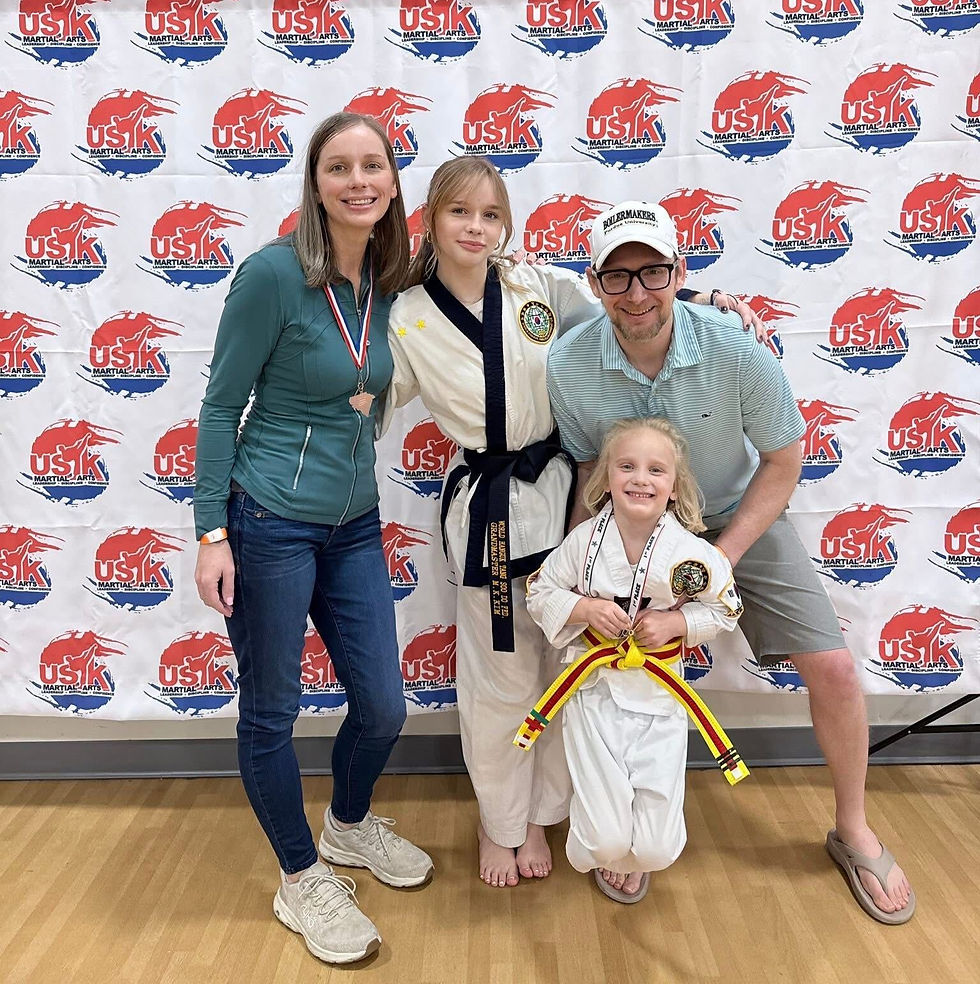
Both my daughters are in martial arts, partly because I want them to have physical confidence, but also because I want them to know how to stand their ground.
The biggest thing I want them to understand is that doing the work is only part of it. How you communicate, how you take up space, how you make people understand what you bring — that is the other half. I am trying to give them that framework.
Quickfire with Jessica
What does your morning routine look like on a good day? On a good day, it’s getting the youngest out of the door to school at 6:30. My husband drives her so I can go to the gym class to give me the wake up I need to start the day. It helps energize the way I need, but it’s planned for me so I can just zone out and think about my plan for the day. It gets me in the right mindset for my (usually) packed morning of meetings with my EMEA teammates, usually with a double espresso in hand 😊.
What is your non-negotiable when it comes to self-care? I get my nails done every 3 weeks. It sounds minor, but it’s an hour without notifications, emails, or meetings. It’s a small ritual that helps me switch off and recharge. Other non-electronic time includes: mowing the lawn and baking, depending on if I want sunshine or a sweet treat.
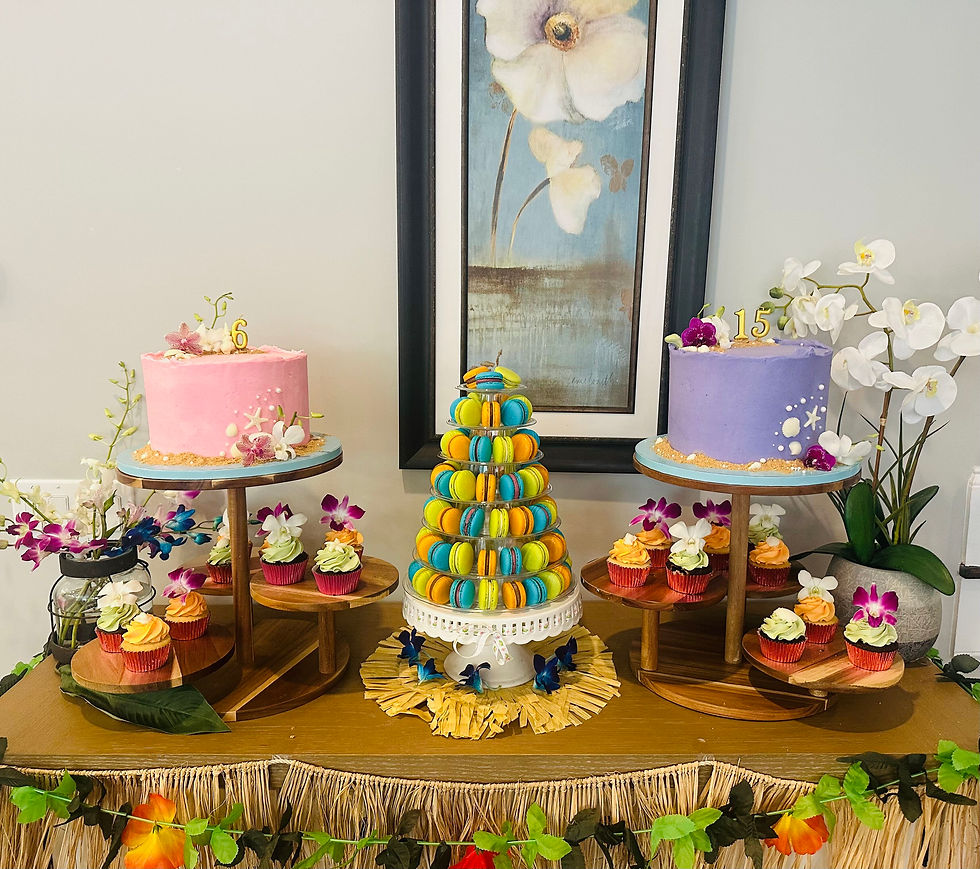
You are a data person who loves to bake. How do those two sides of your personality connect? I plan two massive baking projects a year. There are spreadsheets, there is planning, and design theme. All of which energizes me. One is for my daughters birthdays which are close together; the other is ~70 holiday gift boxes for family and friends. One is the challenge of 200 macarons and 2 tiered cakes, the other is 1,800 wrapped treats shipped out. AI has empowered this more and I love every moment of it.
You talk a lot about AI at work. Are you using it in your personal life too, and if so how? My biggest time saver right now is using Gemini to read the complex sports schedules and make meeting invites directly on my calendar. This sounds so minor but saves hours of coordination and planning. Beyond that I now don't need to spend time planning thanksigiving dinner, you just feed your AI engine of choice your recipes and ask it to make a plan for number of ovens and people you have to help you make the meal. Step by step instructions are at your fingertips. Finally holiday plnaning is a breeze, you can make specific agents for each trip feed it all your info and you have an on the go companion to help you when the inevitable plan shifts. Hours saved, and even better outcomes.
Biggest hack for dividing the mental load at home? For a dual working household, we have tried to outsource what is feasible. House cleaning, more advanced yardwork, etc. What's left, we split. I tackle doctors' appointments for the girls; my husband handles the dentist's appointments. I take our kindergartener to a birthday party, while he takes care of the grocery shopping. It's not always 50/50, but communication helps make sure we shift when needed to 60/40 or 40/60 based on what our workload brings.
Beyond a partner, it’s also building a community around you for simple things like splitting carpool when it gets to high school sports, that reduces the mental load by half when it comes to activities that take up to 6 days a week of attention (and both families get time back in their week!)
What are you reading, watching or listening to right now? Lately, I’ve been listening to Skift’s podcast and Matt Talks Hospitality to keep a pulse on where travel, hospitality, and the market are headed. I rely on podcasts quite a bit because they let me keep learning in the in-between moments, especially in the car.
If I’m in the mood for something lighter, I’ve been watching Emily in Paris on long flights. It first got on my radar because of the trend these TV shows are influencing travel behavior and shape how people think about destinations, so it’s fun to wamatch with that lens.
And my true guilty pleasure is cooking competition shows. They usually leave me inspired to try something new in the kitchen when I have a little downtime.


